



Korean footballers vanish from the Premier League

17/08/2026 22:00:08 SportScoop
 0
0  0
0Following the illustrious era of Park Ji-sung and Son Heung-min, the new season might be the first since 2005 without a single South Korean in the Premier League.
It has been a harsh summer for South Korea. The national team performed disastrously at the World Cup, police are investigating the Korea Football Association, reports have emerged of bribes paid to foreign referees in 2011 and 2012, and the possibility of the Premier League having no South Korean players for the first time since 2005 is becoming a reality.
The final days of South Korea's golden generation
That was when Park Ji-sung signed for Manchester United, beginning a love affair between South Korea and England's top flight that has lasted to this day. Park won four league titles, and by 2015, Son Heung-min had taken up the mantle at Spurs.
Son concluded his successful decade, during which he became club captain, by lifting the 2025 Europa League trophy. Other "Taegeuk Warriors" are remembered fondly, such as Ki Sung-yueng, Lee Young-pyo, and Lee Chung-yong, while others would make for trickier trivia questions. Cho Won-hee, Yun Suk-young, and Park Chu-young each had very limited playing time at Wigan, QPR, and Arsenal respectively.
Others achieved beloved hero status. Ji Dong-won’s last-minute winner against Manchester City will never be forgotten by Sunderland fans, while Lee Dong-gook, who had a long and successful career, failed to score for Middlesbrough. Though there were certainly both successes and failures, overall, these overseas players remain a source of pride.
However, those who once stayed up late or woke up early to watch their compatriots play will now have more free time. After Son left London for Los Angeles, Hwang Hee-chan was the only remaining South Korean, but the striker was relegated with Wolves. Three South Korean players are contracted to Premier League clubs—Spurs' Yang Min-hyeok, Brentford's Kim Ji-soo, and Newcastle's Park Seung-soo—but they are likely to be loaned out again.
There were once reports that Lee Kang-in might leave Paris Saint-Germain for England, but in July, the 25-year-old attacking midfielder joined Atletico Madrid and took Antoine Griezmann's number 7 shirt. The former child reality TV star, who was introduced to the nation at age six and joined Valencia's academy four years later, is now perhaps one of the biggest names in Asia, but will only play in England during Champions League matches. Currently, few other South Korean players appear capable of becoming regular Premier League performers.
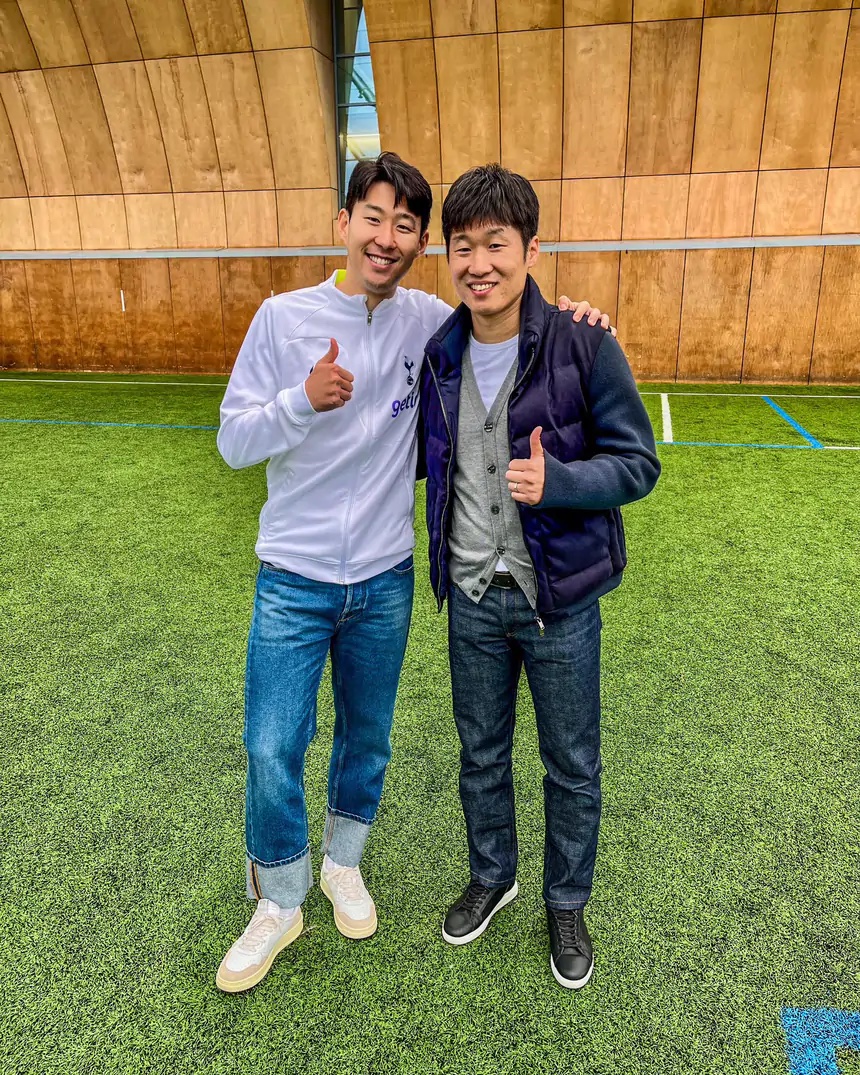
Son Heung-min (left) and Park Ji-sung are the two most successful South Korean players in the Premier League
Japan takes over South Korea's position
That is not the case for Japan, as the "Land of the Rising Sun" is taking over the mantle from its eastern neighbor. Last season, Kaoru Mitoma shone for Brighton, while Daichi Kamada played for Crystal Palace, alongside Takehiro Tomiyasu at Selhurst, Ao Tanaka at Leeds, and Wataru Endo at Liverpool.
The new season will see even more. When Lee Kang-in signed for Madrid, Hull City recruited Hidemasa Morita, who last played in England for Sporting Lisbon in the Champions League quarter-final against Arsenal in March. Shortly after, Daizen Maeda became Ipswich's first Japanese player. The striker joined after a successful spell at Celtic with five league titles, and his last match was for Japan against Brazil at the World Cup.
While that match—where the five-time world champions came from behind to win in the 96th minute—was a heartbreaker for the "Blue Samurai," the team at least performed reasonably well. South Korea's World Cup campaign, however, was a disaster: a 2-1 win over the Czech Republic, followed by a 0-1 loss to Mexico and a truly disappointing 0-1 defeat to South Africa. The national team head coach and the Korea Football Association president resigned, and Park Ji-sung was invited to lead a new "football reform committee." Everything is in turmoil.
Park once spoke of the need to follow Japan's long-term philosophy to close the gap with the clearly strongest team in Asia. More and more Japanese players, who previously often went to Germany first, now want to play in England. It may not be a coincidence that the two clubs just promoted to the Premier League have signed Japanese players, as many Japanese players have impressed in the Championship in recent years.
All of this has led to growing interest from Japanese people in the Premier League and the opposite trend in South Korea. In 2022, AIA, Tottenham's shirt sponsor, commissioned a report claiming the club had 12 million fans in South Korea. Even considering Son's undeniable appeal, exaggerated European claims about fan numbers in Asia have existed since before Park arrived at Old Trafford 21 years ago. There is certainly no figure close to 12 million now, as a South Korean TV executive said viewership for Spurs matches is no longer anywhere near previous levels.
That is hardly surprising, as widespread interest in the Premier League in South Korea, as well as in Japan—which has no tradition of loving English football—has always been mainly driven by players. During his time in London, Son's smiling face was often shown in the corner of TV screens whenever he was on the pitch, to keep casual football viewers from switching channels. In Park's playing days, Manchester United matches were often the only ones broadcast all weekend.
When Manchester City and the rest of the world witnessed the "Aguero moment" in 2012, South Korean fans had to watch the entire Manchester United vs Sunderland match. That was Park's last appearance in red, and it seems Hwang's match against Burnley in May will be the last appearance of a South Korean player in England's top flight for a long time.


Wonderfulshortvideo
mbappe news mbappe edit mbappe new shoe boot deal mbappe nike


julian alvarez barcelona news
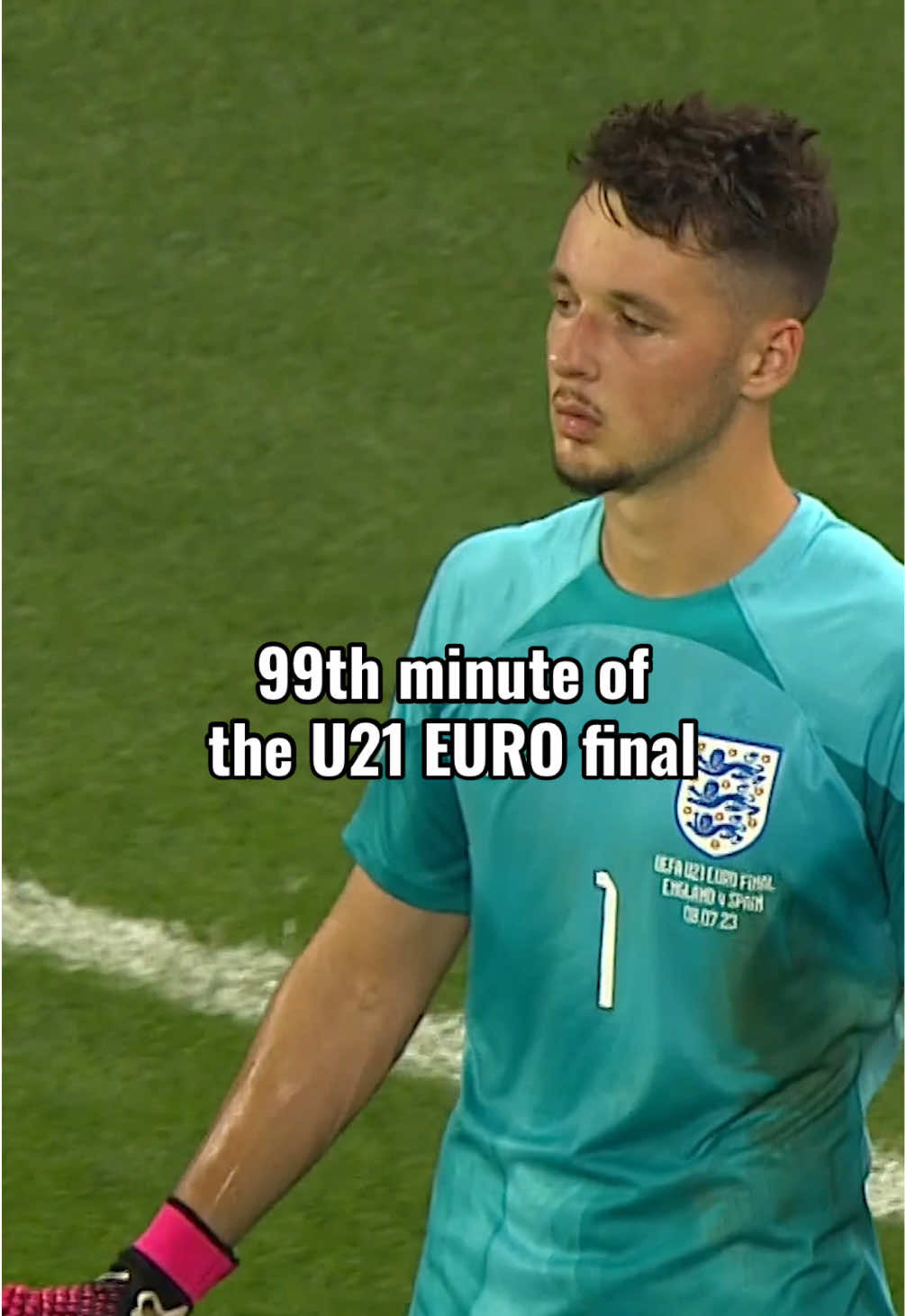
James Trafford’s big moment in the U21 EURO final 🤯
RODRI BARCELONA transfer barcelona news today rodri to barcelona transfer here we go
gianni infantino and trump drama news
jorge messi death messi news today football news today
jose mourinho netflix documentary pep guardiola mourinho beef mourinho edit
 Links
Links
 Contact