



"Dead balls" cannot build an Arsenal empire.

16/08/2026 10:00:31 VictoryVox
 0
0  0
0Arsenal starts the new season with an edge over every contender for the Premier League crown: consistency in management and tactical framework.
1. The Gunners took 22 years to claim the title in England and certainly do not want to be a one-season wonder, even though building a squad capable of repeating success or maintaining champion standards has been slow this summer.
But the difference between the London club and their main rivals lies not in specific transfers, but in the fact that they don't need to overhaul their football structure to compete — something that Man City, Chelsea, Liverpool, or even Tottenham will have to go through.
All managers like Maresca, Iraola, or Xabi are familiar with the harsh English football environment, but their teams cannot avoid system disruptions or the need to adapt to specific tactical and personnel conditions.
Arteta does not have to do those things; he only needs to keep optimizing the machine that ran smoothly all season, while opponents face a dual task: competing and restructuring simultaneously.
This leads to a conclusion: The Gunners may not need to possess many of the world's best players to dominate English football, but only need the best system, sustained the longest, to achieve that goal. In this regard, perhaps Man United is Arsenal's biggest rival in the new season.
But with the first Premier League title in 22 years, can the London club turn this championship into a new era? In reality, when Alex Ferguson's Man United dominated, the Red Devils faced very few real competitors, and the legendary Scotsman's constant "renovation" in mindset helped them overcome challenges from Arsenal, Chelsea, and later Man City.
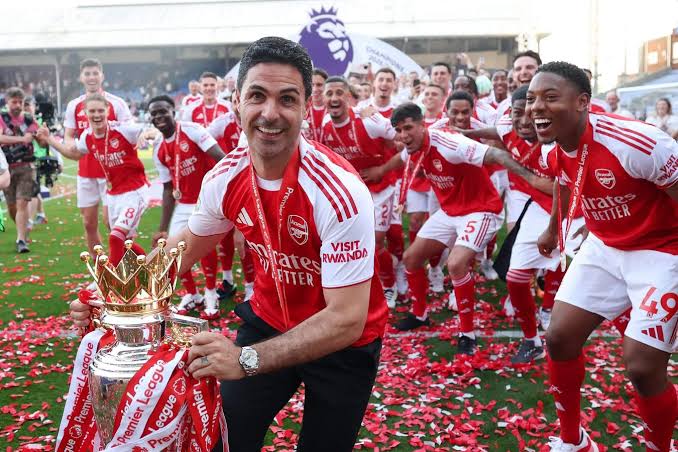
Whether Arsenal can create a dynasty remains an open question.
However, looking more broadly, Arteta's team faces a challenge: whether stability can immediately reproduce success or merely maintain the solidity of a football formula that worked better than rivals last season.
2. Another key factor is whether Arsenal can evolve quickly in line with the adaptation speed of their opponents. That is what, in his final period at Etihad, Pep Guardiola could not keep up with the rapid changes of Liverpool and Arsenal themselves, leading to consecutive trophy-less seasons in the Premier League.
Arteta has the advantage of having managed a team longer than his peers. But it will only be truly effective if the Gunners continue to sustain an internal revolution. And this is a matter of great concern when opponents are no longer facing a title contender, but a team they have plenty of data to study.
Looking back, during the periods when Man United and later Man City dominated, the two clubs had too many ways to win, something Arsenal currently lacks. They are more stable in football structure but more predictable in how they win matches, because they rely too much on dead-ball situations.
If the Gunners' playing structure is not improved, the game control leans toward solidity, key players still play old roles, and victories come from set pieces, then stability could become a hindrance for the 44-year-old coach's team.
Over-reliance on dead balls for victories will become a risk to the sustainability of a team competing on many fronts, because simply put, a good weapon does not equal a winning system good enough for long-term dominance.


Wonderfulshortvideo

mbappe news mbappe edit mbappe new shoe boot deal mbappe nike



julian alvarez barcelona news
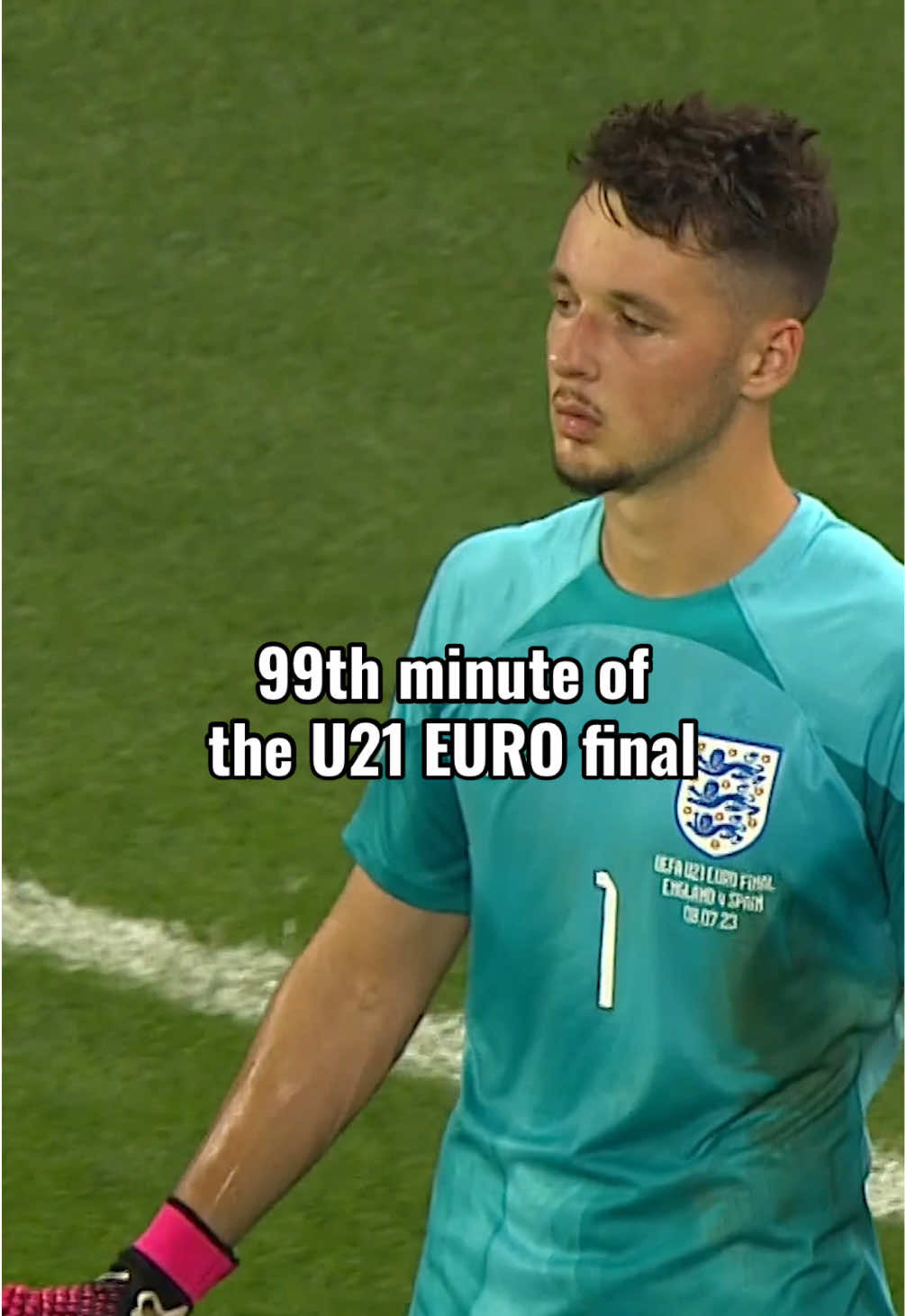
James Trafford’s big moment in the U21 EURO final 🤯

RODRI BARCELONA transfer barcelona news today rodri to barcelona transfer here we go
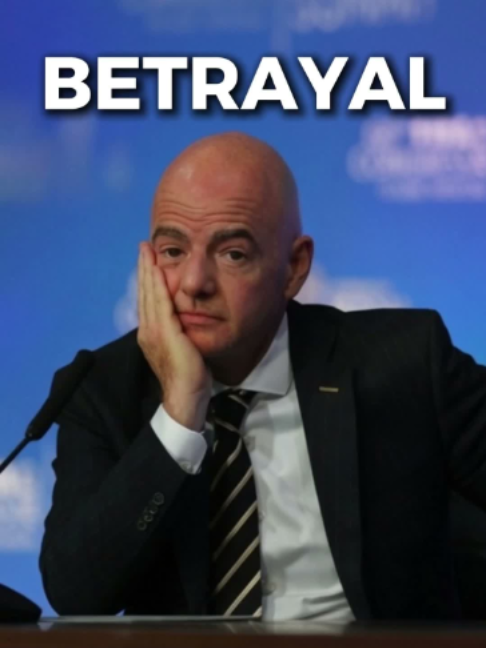
gianni infantino and trump drama news

jorge messi death messi news today football news today
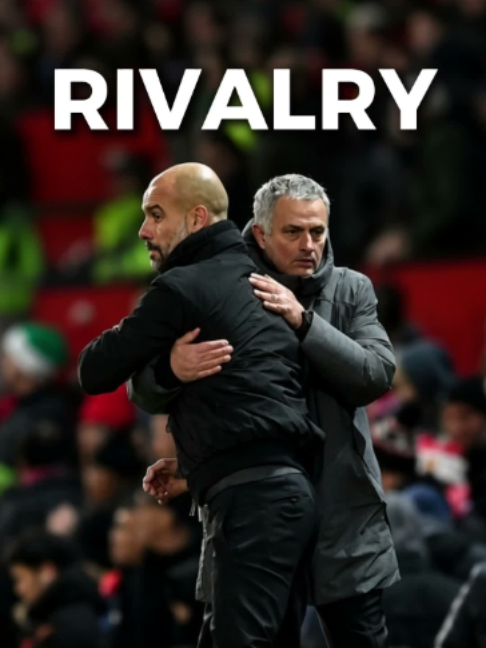
jose mourinho netflix documentary pep guardiola mourinho beef mourinho edit
 Links
Links
 Contact