



New guest of the FIFA ASEAN Cup sparks major debate about tournament quality.

15/08/2026 16:20:28 无名者
 0
0  0
0Bangladesh has agreed to the invitation to substitute for India at the FIFA ASEAN Cup 2026; however, its 181st world ranking brings into question the caliber of the guest team in the competition.
Bangladesh is close to becoming the team that will replace India at the FIFA ASEAN Cup 2026. The Bangladesh Football Federation (BFF) has accepted the invitation to participate in the tournament, which is scheduled to take place in Indonesia from September 23 to October 4.
Bangladesh chose the FIFA ASEAN Cup over hosting a four‑nation friendly tournament in Dhaka. A key reason is that the team aims to prepare better for the SAFF Championship, the South Asian regional competition.
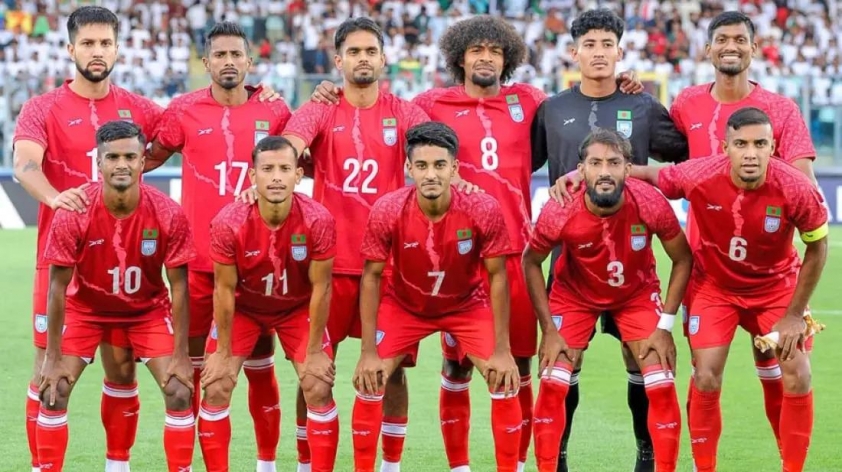
This choice inadvertently creates a notable paradox. One of the objectives of inviting teams from outside Southeast Asia to the FIFA ASEAN Cup is to boost competitiveness and provide regional sides with quality tests. However, the guest set to replace India has a lower ranking than all of its group opponents.
Bangladesh is currently 181st in the world, while Indonesia is ranked 118th, Malaysia 136th, and Singapore 148th. If the plan goes through, the South Asian team will be placed in Group A alongside these three representatives.
This means, purely based on FIFA rankings, the guest enters the tournament with the goal of testing itself against higher‑rated Southeast Asian teams. India's withdrawal and Bangladesh's replacement therefore somewhat reduce the group's strength when viewed from international rankings.
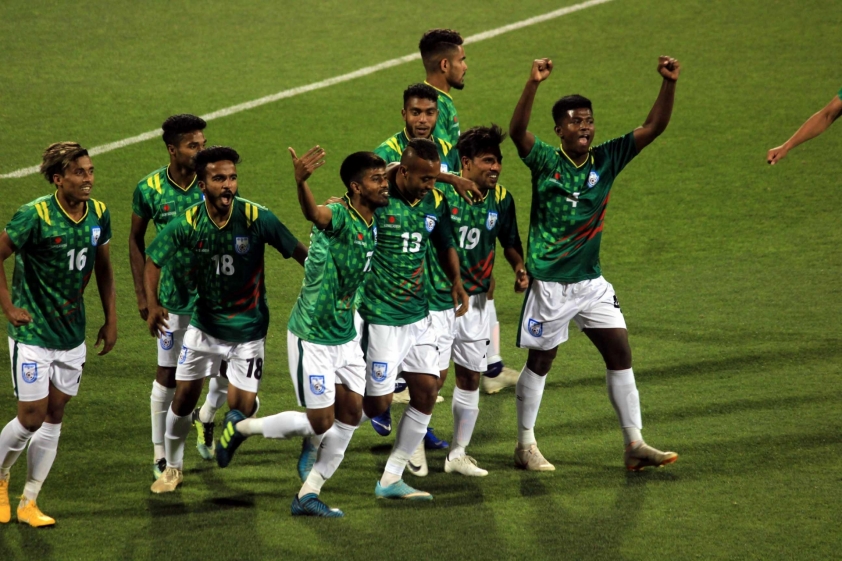
Nevertheless, the 181st world ranking does not fully capture Bangladesh's current strength.
Their most notable star is Hamza Choudhury, a midfielder who played in the Premier League for Leicester City, even won the FA Cup, and has experience in English football. Choudhury's arrival has given a significant boost to the Bangladesh team, both professionally and in terms of appeal.
Bangladesh is also actively seeking players of Bangladeshi descent born or raised abroad. Some players trained in Europe and North America have already been brought into the national team, while the BFF continues to call on the diaspora community to return and play.

That is why Bangladesh may not be a weak opponent as the 181st world ranking suggests.
However, the situation still raises questions for the FIFA ASEAN Cup. If the guest is invited to raise the tournament's quality but they themselves view the Southeast Asian teams as stronger opponents to learn from, the professional value of the guest mechanism will certainly be debated.
Bangladesh could spring surprises thanks to Choudhury and the wave of returning players. But until that happens, a world No. 181 team replacing India still casts doubt on the quality of the first edition of the FIFA ASEAN Cup.


Wonderfulshortvideo

mbappe news mbappe edit mbappe new shoe boot deal mbappe nike



julian alvarez barcelona news

James Trafford’s big moment in the U21 EURO final 🤯

RODRI BARCELONA transfer barcelona news today rodri to barcelona transfer here we go

gianni infantino and trump drama news

jorge messi death messi news today football news today

jose mourinho netflix documentary pep guardiola mourinho beef mourinho edit
 Links
Links
 Contact