



La Liga team postpones season opener due to unexpected incident

14/08/2026 18:03:58 SportScoop
 0
0  0
0The match between Celta Vigo and Osasuna in the opening round La Liga 2026/27 was postponed just days before kickoff because the pitch at Estadio de Balaidos was severely damaged by fungus. Yet, the decision to reschedule for August 27 drew sharp criticism from Osasuna, who argued they had not consented to the new schedule and were put in an unfavorable position.
Celta Vigo will not be able to start their season La Liga 2026/27 as planned after their match against Osasuna was postponed due to a fungal issue on the Estadio de Balaidos pitch.
According to the announcement from La Liga, following a technical inspection conducted on August 12, the pitch was deemed unfit for a football match. The fungal condition had damaged the turf, while recent unfavorable weather hindered the expected recovery progress.
The match was originally scheduled for August 16, but La Liga, the Spanish Football Federation (RFEF), and the two clubs later agreed to postpone the encounter. However, controversy quickly erupted when La Liga and the RFEF set August 27 as the new date for the match.
Osasuna stated that they completely disagreed with the new match date. According to the club, Osasuna and Celta Vigo had previously agreed on two alternative dates: September 24 or 25, coinciding with the international break. Osasuna argued that this option was more reasonable as it would help both clubs avoid an overloaded early-season schedule and provide extra recovery time for players at the start of the campaign.
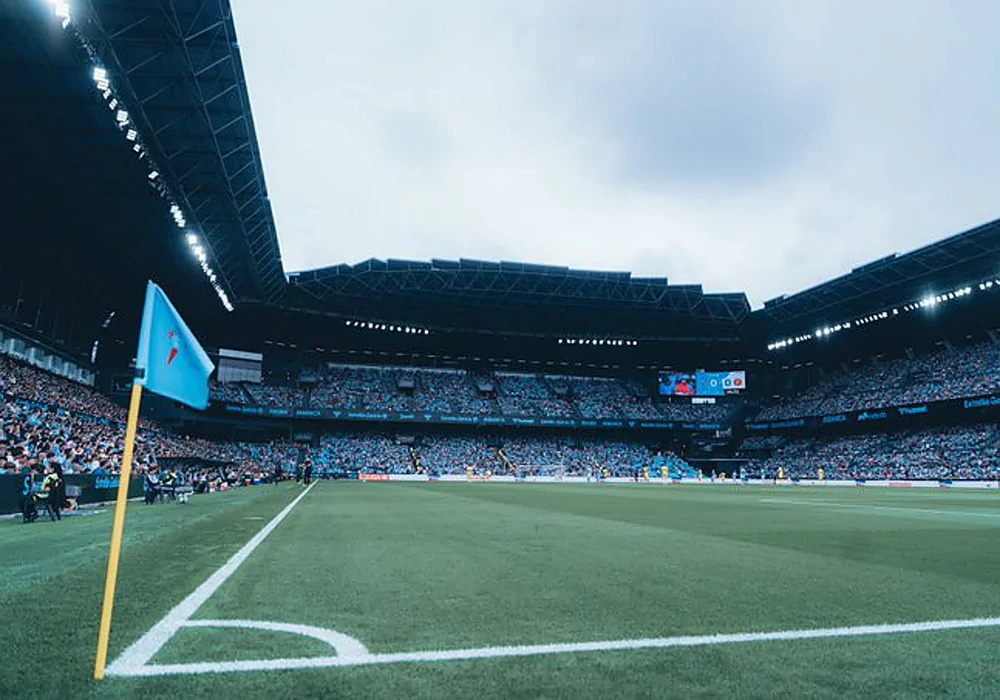
The match between Celta Vigo and Osasuna in the opening round of La Liga 2026/27 was postponed just days before kickoff because the pitch at Estadio de Balaidos was severely damaged by fungus - Photo: Celta Vigo.
However, La Liga and the RFEF did not accept that proposal and instead decided to schedule the match for August 27. Osasuna argued that this decision was particularly unfair to them, as they were the team most affected by the original postponement. "The team most affected by the postponement due to reasons beyond their control is once again the team most affected by the new schedule," Osasuna declared.
The club also asserted that La Liga and the RFEF were aware of the agreement between the two teams but still made a different decision.
What angered Osasuna even more was the timing of the announcement. The match was originally scheduled for August 16, but the decision to postpone was made only three days before kickoff. Osasuna claimed that changing the schedule so close to the match date caused significant difficulties in preparation, travel, and personnel planning. The club even stated that the new decision was made about 48 hours before the team was due to travel to Vigo.
Osasuna accused this of being part of a growing trend of last-minute schedule changes in La Liga. "This is not football – this is La Liga," Osasuna harshly declared, describing the unilateral decision to set August 27 as "unacceptable and disrespectful."
On the other hand, Celta Vigo stated that they had done everything possible to address the issue. La Liga had inspected the pitch last week and confirmed that Celta was taking measures to eliminate the fungus affecting the turf. However, the recent weather prevented the expected improvement. Celta stated that the decision was not due to a lack of effort but rather because weather conditions negatively impacted the pitch recovery process.
The pitch issue also occurred amid a long-term renovation of the Balaidos stadium.
According to information mentioned by Osasuna, the stadium renovation project has been ongoing for over a decade, with the aim of upgrading facilities to host matches for the 2030 World Cup, which Spain will co-host with Portugal and Morocco. Upon completion, Balaidos is expected to have a capacity of around 40,000-44,000 spectators, significantly larger than its current capacity.


Wonderfulshortvideo

mbappe news mbappe edit mbappe new shoe boot deal mbappe nike



julian alvarez barcelona news
James Trafford’s big moment in the U21 EURO final 🤯

RODRI BARCELONA transfer barcelona news today rodri to barcelona transfer here we go
gianni infantino and trump drama news

jorge messi death messi news today football news today

jose mourinho netflix documentary pep guardiola mourinho beef mourinho edit
 Links
Links
 Contact